Prosecutorial Misconduct: What It Is and Why It Matters
 Prosecutorial misconduct refers to any illegal or unethical behavior by a prosecutor that undermines the fairness of a trial or the rights of the accused. Prosecutors are sworn to seek justice, not merely to win cases, but when they engage in misconduct, they can violate the fundamental principles of due process and the integrity of the legal system.Common examples of prosecutorial misconduct include:
-
Withholding Exculpatory Evidence: Prosecutors are required to turn over evidence that could prove a defendant’s innocence. Failing to do so, known as a Brady violation, undermines the right to a fair trial.
-
Making Inflammatory Statements: If a prosecutor makes statements in court or in the media that inflame emotions, prejudice the jury, or promote a bias against the defendant, it can compromise the fairness of the trial.
-
Misleading the Jury: Prosecutors must present evidence truthfully. Deliberately misrepresenting facts or presenting false evidence is a violation of ethical and legal standards.
-
Improper Closing Arguments: During closing arguments, a prosecutor may overstate or mischaracterize the evidence in a way that misleads the jury into a biased verdict.
-
Overzealous Pursuit of Convictions: A prosecutor who pursues charges without sufficient evidence or relies on dubious tactics to secure a conviction can be seen as engaging in misconduct, especially when it ignores or disregards the rights of the accused.
Why Prosecutorial Misconduct is Harmful:
Prosecutorial misconduct can have devastating consequences for the defendant, the justice system, and society as a whole. For the accused, it can result in wrongful convictions, severe punishments, and even irreversible damage to their life, career, and reputation. For the public, it breeds distrust in the legal system and may embolden future misconduct.
In the worst cases, prosecutorial misconduct can mean the difference between freedom and unjust imprisonment or even the loss of a life. This makes it not only a violation of the law but a profound moral and ethical failing.
Bad Lawyers Are Very Bad: How They Cause Harm to Clients, the Justice System, and Society
A lawyer's role is to advocate for their client while upholding the principles of justice, fairness, and ethical conduct. But bad lawyers—whether through incompetence, negligence, or unethical behavior—can wreak havoc on the lives of their clients and tarnish the legal profession. When lawyers fail to fulfill their responsibilities, the consequences can be severe, both for the individual client and for the justice system as a whole.
Incompetence and Negligence
At its core, a bad lawyer may simply lack the skill or knowledge necessary to competently represent their client. Whether through ignorance of the law, lack of preparation, or poor judgment, an incompetent lawyer can:
-
Miss Important Deadlines: Many legal processes are governed by strict deadlines. Missing a crucial deadline can result in a case being dismissed, a client’s claim being forfeited, or a potential defense being waived.
-
Fail to Investigate Properly: Lawyers have an ethical duty to thoroughly investigate their cases. A lawyer who fails to gather key evidence or properly research the law risks presenting an incomplete or flawed defense, causing irreparable harm to the client's case.
-
Neglect Legal Procedures: Legal procedures can be complex and multifaceted. A bad lawyer might neglect important procedural steps, such as filing required motions, requesting appropriate documents, or objecting to inadmissible evidence during trial. This failure can drastically reduce the chances of a favorable outcome.
Unethical Behavior
Some lawyers cause harm not simply because they lack skill, but because they act unethically. Unethical conduct can take many forms, including:
-
Conflicts of Interest: A lawyer with a conflict of interest, such as representing multiple clients whose interests are incompatible, may not be able to fully advocate for each client. This can lead to biased or inadequate representation.
-
Dishonesty and Fraud: In extreme cases, a bad lawyer might deceive clients or the court. This could include falsifying evidence, misrepresenting facts, or lying about case developments. Dishonesty destroys trust and undermines the integrity of the entire legal process.
-
Taking Advantage of Clients: Some unscrupulous lawyers exploit vulnerable clients for financial gain. This might involve charging exorbitant fees, taking on cases they are ill-equipped to handle, or even neglecting clients altogether once they’ve been paid.
Bad Lawyers and the Harm They Cause
The harm caused by a bad lawyer extends far beyond the individual case. Here's why:
-
Wrongful Convictions or Acquittals: A bad defense attorney in a criminal trial can lead to a wrongful conviction, which can send an innocent person to prison. Conversely, a bad prosecutor or defense attorney can lead to the acquittal of a guilty person, which undermines the justice system.
-
Injustice for Victims: In civil cases, a bad lawyer can cause further harm to victims by failing to secure compensation, damages, or even an apology. A lawyer who doesn't fight hard enough for their client’s interests can result in them being deprived of what they are entitled to.
-
Loss of Public Trust: When lawyers fail in their duties, it erodes the public’s trust in the legal system. People begin to question whether they can ever truly get a fair trial, whether they will be represented competently, and whether the law is being administered impartially. A loss of public trust threatens the legitimacy of the entire justice system.
-
Psychological and Emotional Damage: A bad lawyer can cause significant stress, anxiety, and emotional turmoil for their clients. Clients may feel abandoned or betrayed by someone they trust to handle their case, which can lead to emotional scars long after the case is concluded.
The Impact on Society
Bad lawyers are not just harmful to their clients—they can harm society as a whole. A flawed legal process due to incompetent or unethical lawyers means that justice is not served equitably. When justice is compromised, it can lead to societal unrest and the further perpetuation of inequality. Furthermore, allowing bad lawyers to operate without consequence can create a cycle of negligence and abuse that erodes public faith in legal institutions.
Conclusion
The consequences of prosecutorial misconduct and bad legal representation are far-reaching. Whether through malicious intent or incompetence, when lawyers fail to fulfill their ethical and professional obligations, the effects are felt by the clients, the courts, and society at large. Protecting the integrity of the legal profession, holding lawyers accountable, and ensuring proper legal oversight are essential for maintaining the fairness and legitimacy of the justice system. Justice is too important to leave in the hands of those who undermine it.
An excerpt from the article by Michael Kiefer ~
 Registry records prosecutorial misconduct
Jan 12, 2014

 trial court or appeals court. It lists the type of case and the nature of the misconduct, from withholding evidence to perjury. The registry also includes any sanctions imposed by the court.
 According to the center, the Registry of Prosecutorial Misconduct was created to provide hard data that could lead to accountability by prosecutors.
 On its website, the Center for Prosecutor Integrity defines itself as an organization dedicated “to preserve the presumption of innocence, assure equal treatment under the law, and end wrongful convictions.” It defines prosecutorial misconduct as “a violation of a code of professional ethics or pertinent law, or other conduct that prejudices the administration of justice, whether intentional or inadvertent.”
 Bartlett expects to expand the database, and his center has calculated that there have been at least 15,000 instances of prosecutorial misconduct in the U.S. since 1970 in all state and federal courts.
Prosecutorial integrity: Lawyer errors can mean prison for the innocent"we’re really talking about tens of thousands...
Posted by Center for Prosecutor Integrity on Friday, July 4, 2014


Posted by Dysfunctional Judges on Saturday, November 15, 2014

Center for Prosecutorial Integrity Launches “BRING A PROSECUTOR TO JUSTICE” Campaign…...
Posted by Camille Tilley on Thursday, July 31, 2014

Posted by Dysfunctional Judges on Monday, August 18, 2014
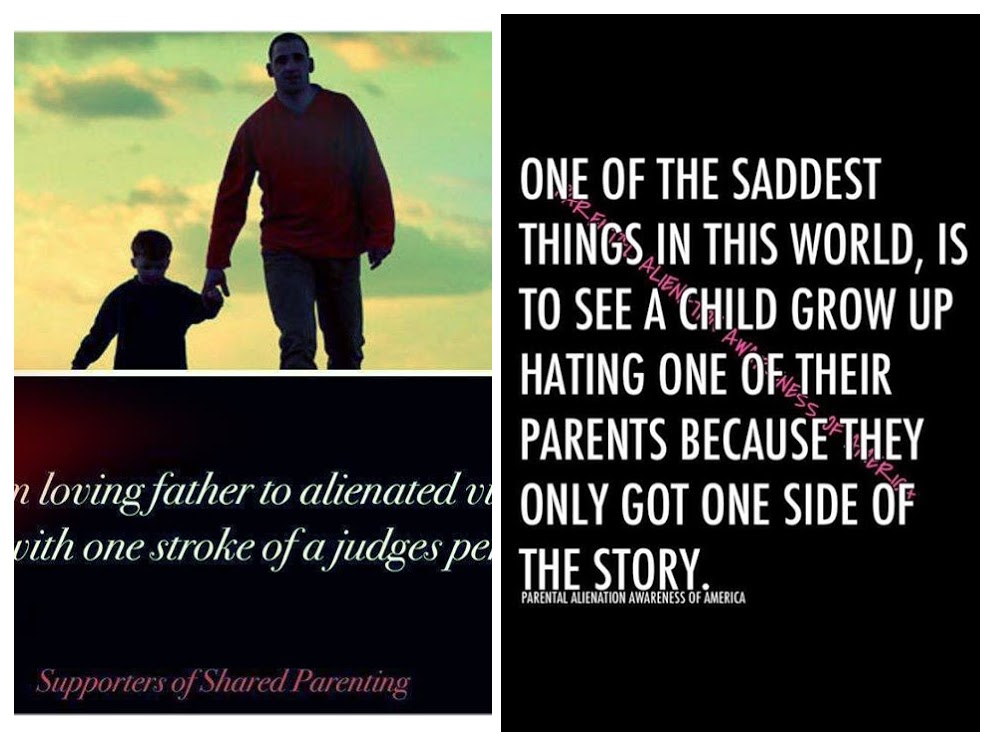
My name is Lorraine A. Mogus and I did not seen my Mother Helen A. Mogus in the last five years of her life due to a...
Posted by Annette E. Blankenship on Saturday, December 27, 2014

Bronx Prosecutor Barred from CourtroomThe prosecutorial faux pas has raised questions about the integrity of the Bronx District Attorney’s office.See: http://nydn.us/1Bord1Q
Posted by Center for Prosecutor Integrity on Tuesday, March 10, 2015

Recent Proof of Prosecutorial Misconduct Mirrors OCDA's Bad Old DaysInside the Orange County district attorney's...
Posted by Center for Prosecutor Integrity on Friday, May 8, 2015


